اضطرابات اللغة والحبسة الكلامية ودور الذكاء الاصطناعي في العلاج
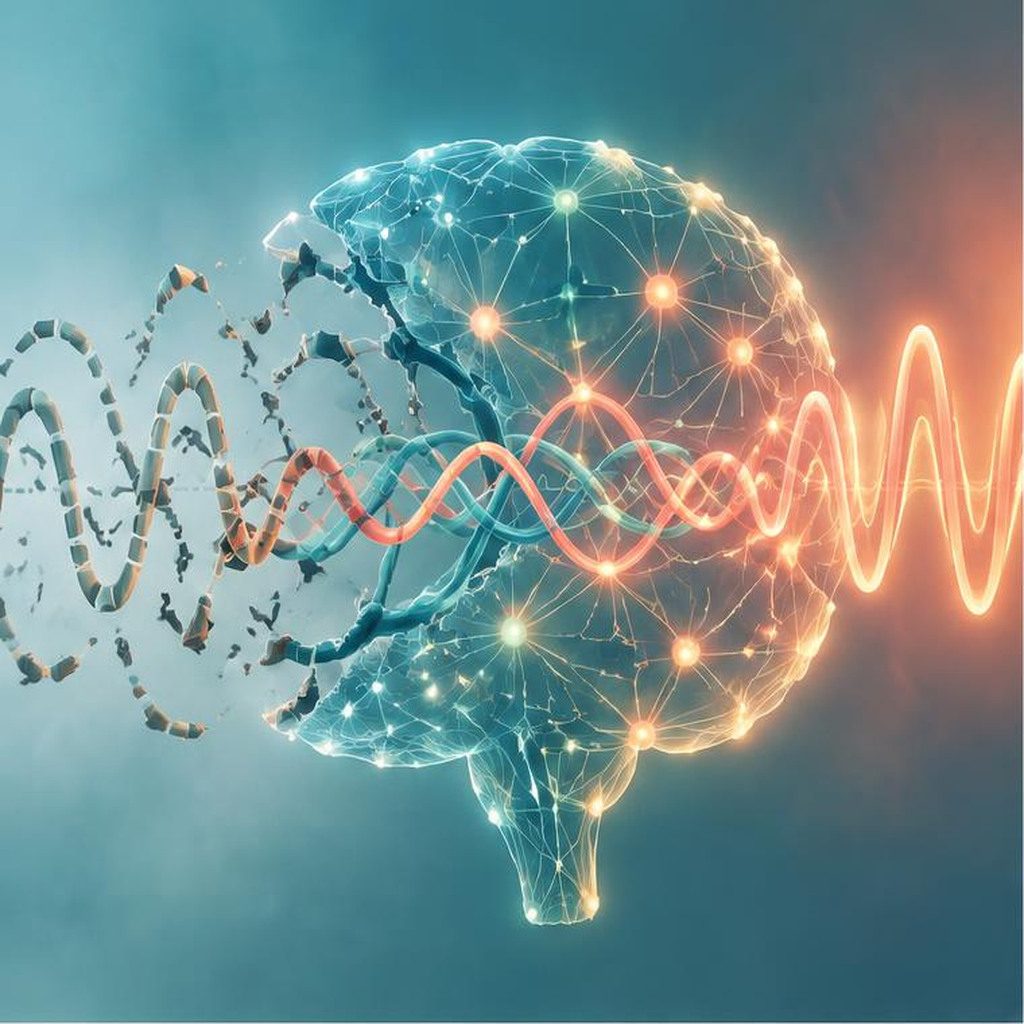
اضطرابات اللغة تمثل تحديًا كبيرًا يؤثر على التواصل اليومي وجودة الحياة. من بين هذه الاضطرابات، تبرز الحبسة الكلامية كحالة ناتجة عادة عن سكتة دماغية أو إصابة في المناطق اللغوية من الدماغ. يعاني المصابون من صعوبات في إنتاج الكلام أو فهمه أو القراءة أو الكتابة، بدرجات وأنماط متفاوتة حسب موقع الإصابة ومداها.
الحبسة ليست فقدان الذكاء، بل اضطراب في القدرة على استخدام اللغة. بعض المرضى يفقدون القدرة على إيجاد الكلمات (حبسة بروكا)، وآخرون ينتجون كلامًا سائلًا لكنه مفتقر إلى المعنى (حبسة فيرنيكه)، وهناك أشكال أخرى مختلطة أو شاملة. إعادة التأهيل اللغوي المبكر والمكثف أمر بالغ الأهمية لتحسين النتائج.
العلاج التقليدي يعتمد على جلسات مع أخصائيي النطق واللغة، تتضمن تمارين متدرجة لاستعادة المهارات المفقودة أو تطوير استراتيجيات تعويضية. لكن الوصول إلى العلاج المكثف ليس متاحًا دائمًا بسبب نقص الأخصائيين أو القيود الجغرافية أو المالية. هنا يأتي دور الذكاء الاصطناعي كأداة مساعدة واعدة.
يمكن للتطبيقات الذكية أن توفر تمارين يومية مخصصة، وتتتبع التقدم بدقة، وتقدم تغذية راجعة فورية على النطق والإنتاج اللغوي. بعض الأنظمة تستخدم التعرف على الكلام لتقييم دقة النطق، وأخرى تقدم محادثات موجهة تساعد المريض على ممارسة التواصل في سياقات آمنة. هذه الأدوات لا تحل محل الأخصائي، لكنها تزيد من كثافة التدريب بين الجلسات.
من ناحية بحثية، يساعد الذكاء الاصطناعي في تحليل أنماط الاضطرابات بشكل أدق. من خلال معالجة كميات كبيرة من عينات الكلام والنصوص من المرضى، يمكن اكتشاف مؤشرات مبكرة أو تصنيف فرعي أكثر دقة لأنواع الحبسة. كما يمكن بناء نماذج تنبؤية لتقدير مسار التعافي المحتمل بناءً على خصائص الإصابة والأداء الأولي.
التحديات لا تزال كبيرة. المرضى يختلفون بشكل كبير في استجابتهم للعلاج، والأنظمة الذكية تحتاج إلى أن تكون قابلة للتكيف مع هذه الفروق الفردية. كما أن الجوانب العاطفية والاجتماعية لإعادة التأهيل صعبة على الآلة، حيث يحتاج المريض إلى دعم إنساني وتشجيع وفهم للسياق الشخصي.
مستقبلًا، قد تندمج تقنيات واجهات الدماغ والحاسوب مع أنظمة الذكاء الاصطناعي لتوفير قنوات تواصل بديلة للمرضى الذين فقدوا القدرة على الكلام تمامًا. بالفعل توجد أنظمة تجريبية تحول إشارات الدماغ إلى نص أو كلام اصطناعي، وإن كانت لا تزال في مراحل مبكرة.
إن دمج المعرفة من علم الأعصاب اللغوي مع قدرات الذكاء الاصطناعي يفتح باب الأمل لتحسين حياة من يعانون من اضطرابات اللغة. الهدف ليس استبدال الإنسان، بل تمكينه من تقديم رعاية أفضل وأكثر استمرارية وتخصيصًا.
Language Disorders, Aphasia, and the Role of AI in Therapy
Language disorders represent a major challenge that affects daily communication and quality of life. Among these disorders, aphasia stands out as a condition usually resulting from stroke or injury to the language areas of the brain. Affected individuals experience difficulties in producing speech, understanding it, reading, or writing, to varying degrees and patterns depending on the location and extent of the injury.
Aphasia is not a loss of intelligence but a disorder of the ability to use language. Some patients lose the ability to find words (Broca’s aphasia); others produce fluent speech that lacks meaning (Wernicke’s aphasia); and there are mixed or global forms. Early and intensive language rehabilitation is crucial for improving outcomes.
Traditional therapy relies on sessions with speech-language pathologists involving graded exercises to restore lost skills or develop compensatory strategies. Access to intensive therapy is not always available, however, because of shortages of specialists or geographic or financial constraints. Here artificial intelligence emerges as a promising assistive tool.
Intelligent applications can provide personalized daily exercises, track progress accurately, and offer immediate feedback on pronunciation and language production. Some systems use speech recognition to evaluate pronunciation accuracy; others offer guided conversations that help the patient practice communication in safe contexts. These tools do not replace the specialist, but they increase the intensity of training between sessions.
From a research perspective, AI helps analyze patterns of disorder more precisely. By processing large quantities of speech and text samples from patients, early indicators can be discovered or more accurate subtype classifications of aphasia can be achieved. Predictive models can also be built to estimate the likely course of recovery on the basis of lesion characteristics and initial performance.
Challenges remain substantial. Patients differ greatly in their response to therapy, and intelligent systems need to be adaptable to these individual differences. The emotional and social aspects of rehabilitation are also difficult for machines, as the patient needs human support, encouragement, and understanding of personal context.
In the future, brain–computer interface technologies may merge with AI systems to provide alternative communication channels for patients who have completely lost the ability to speak. Experimental systems already exist that convert brain signals into text or synthetic speech, although they are still in early stages.
Integrating knowledge from neurolinguistics with the capabilities of artificial intelligence opens a door of hope for improving the lives of those who suffer from language disorders. The goal is not to replace the human being but to empower the human to deliver better, more continuous, and more personalized care.