الذكاء الاصطناعي وتعلم اللغات: شراكة المستقبل
يشهد عالم تعليم اللغات تحولًا جذريًا بفضل التطورات المتسارعة في مجال الذكاء الاصطناعي. لم تعد التطبيقات التقليدية المعتمدة على التكرار والحفظ هي الوسيلة الوحيدة، بل ظهرت أنظمة ذكية قادرة على فهم مستوى المتعلم، وتكييف المحتوى، وتقديم تغذية راجعة فورية تشبه إلى حد كبير تفاعل المعلم البشري. هذه الشراكة بين العقل البشري والآلة تفتح آفاقًا جديدة لم تكن ممكنة قبل عقد من الزمن.
يعتمد الذكاء الاصطناعي في تعلم اللغات على نماذج لغوية كبيرة مدربة على كميات هائلة من النصوص والمحادثات. هذه النماذج لا تكتفي بترجمة الكلمات، بل تفهم السياق، وتتعرف على الأخطاء الشائعة، وتقترح بدائل أكثر طبيعية. عندما يتدرب المتعلم على محادثة مع نظام ذكي، يحصل على فرصة لممارسة اللغة في بيئة آمنة خالية من الخجل أو الحكم السلبي، وهو أمر بالغ الأهمية خاصة للمبتدئين الذين يخشون ارتكاب الأخطاء أمام الآخرين.
من الناحية العصبية، يستفيد الدماغ من هذا النوع من التفاعل المتكرر والمنظم. تشير الدراسات في علم الأعصاب المعرفي إلى أن التعرض المتكرر للغة في سياقات ذات معنى يعزز تكوين الروابط العصبية في المناطق المسؤولة عن معالجة اللغة، مثل منطقة بروكا وفيرنيكه. الذكاء الاصطناعي قادر على تقديم هذا التعرض بطريقة مخصصة تمامًا، بحيث يركز على نقاط الضعف الفردية لكل متعلم، سواء في القواعد أو المفردات أو النطق.
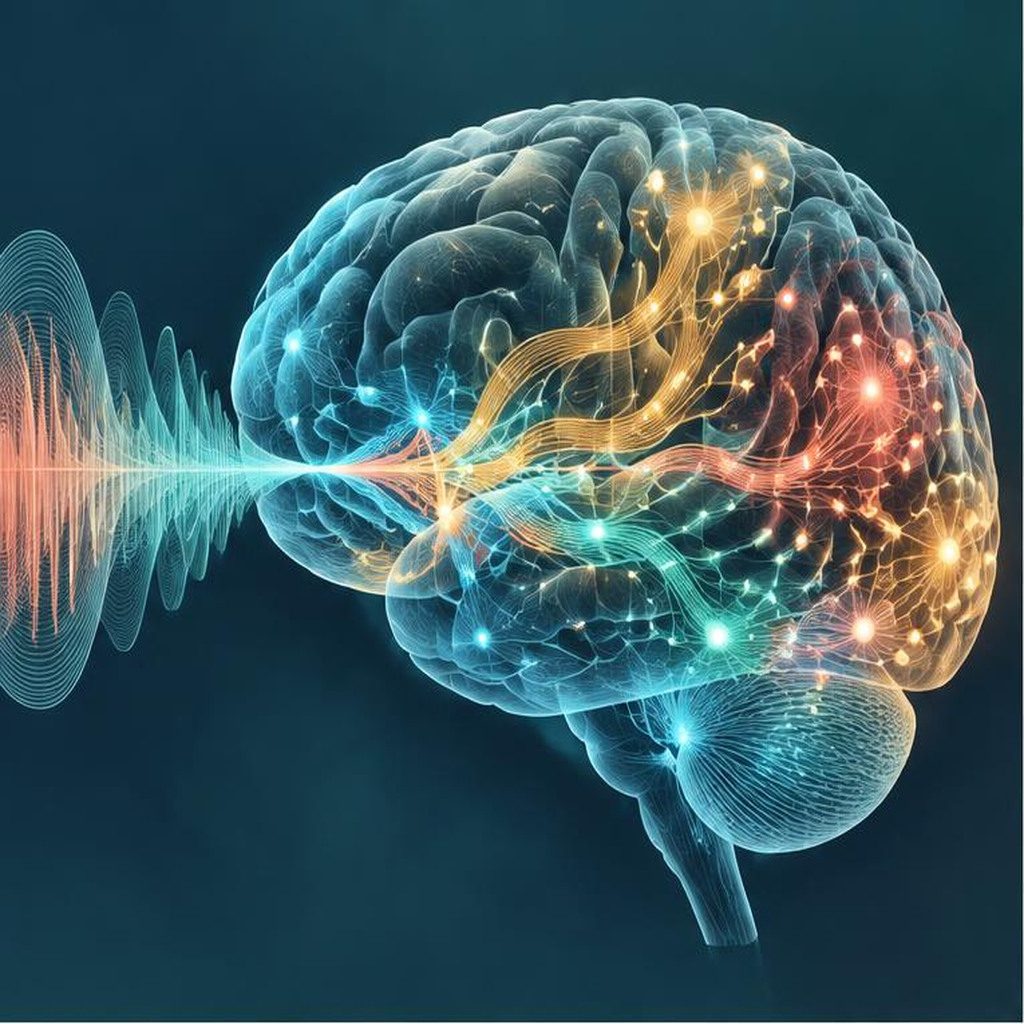
أحد أبرز الإنجازات هو قدرة الأنظمة الحديثة على تحليل النطق في الوقت الفعلي. باستخدام تقنيات التعرف على الكلام، يمكن للتطبيق أن يحدد بدقة أين أخطأ المتعلم في مخارج الحروف أو في النبر والتنغيم، ثم يقدم تمارين تصحيحية فورية. هذا النوع من التغذية الراجعة المستمرة يحاكي ما يفعله المعلم الماهر، لكنه متاح على مدار الساعة وبكلفة منخفضة نسبيًا.
ومع ذلك، لا يمكن اعتبار الذكاء الاصطناعي بديلًا كاملًا عن التفاعل البشري. اللغة ليست مجرد نظام رمزي، بل هي أداة اجتماعية عاطفية. الدماغ البشري مصمم للتعلم من خلال التفاعل الاجتماعي الحقيقي، حيث تلعب الإيماءات وتعبيرات الوجه ونبرة الصوت دورًا حاسمًا في فهم المعنى. لذلك فإن أفضل النماذج التعليمية هي تلك التي تدمج الذكاء الاصطناعي مع فرص حقيقية للتواصل مع ناطقين أصليين أو معلمين بشريين.
في المستقبل القريب، من المتوقع أن تندمج تقنيات الواقع المعزز والواقع الافتراضي مع الذكاء الاصطناعي لتوفير بيئات غامرة لتعلم اللغة. تخيل متعلمًا يتجول في شوارع مدينة افتراضية ويتحدث مع شخصيات مدعومة بالذكاء الاصطناعي تتفاعل معه بطريقة طبيعية. مثل هذه التجارب ستقرب التعلم من الظروف الحقيقية لاستخدام اللغة، مما يعزز الاحتفاظ طويل الأمد بالمعرفة.
يبقى التحدي الأكبر هو ضمان أن هذه الأدوات لا تعزز الاعتماد السلبي. يجب أن تشجع التطبيقات الذكية المتعلم على التفكير النقدي والإنتاج اللغوي النشط، لا مجرد استهلاك المحتوى. عندما يستخدم الذكاء الاصطناعي كشريك وليس كبديل عن الجهد الذهني، فإنه يصبح قوة هائلة في خدمة اكتساب اللغات.
في الختام، تمثل الشراكة بين الذكاء الاصطناعي وتعلم اللغات فرصة تاريخية لإعادة تعريف كيفية اكتساب البشر للغات جديدة. من خلال فهم أعمق لكيفية عمل الدماغ، وتصميم أنظمة تحترم هذا الفهم، يمكننا بناء جيل جديد من المتعلمين القادرين على التواصل عبر الحدود الثقافية واللغوية بسهولة أكبر من أي وقت مضى.
Artificial Intelligence and Language Learning: A Partnership for the Future
The world of language education is undergoing a radical transformation thanks to rapid advances in artificial intelligence. Traditional applications based on repetition and memorization are no longer the only path. Intelligent systems have emerged that can understand a learner’s level, adapt content, and provide immediate feedback that closely resembles interaction with a human teacher. This partnership between the human mind and machines opens possibilities that were unimaginable a decade ago.
AI in language learning relies on large language models trained on enormous quantities of text and conversation. These models do more than translate words; they grasp context, recognize common errors, and suggest more natural alternatives. When a learner practices conversation with an intelligent system, they gain the opportunity to use the language in a safe environment free from embarrassment or negative judgment—something especially important for beginners who fear making mistakes in front of others.
From a neurological perspective, the brain benefits from this kind of repeated, structured interaction. Research in cognitive neuroscience indicates that repeated exposure to language in meaningful contexts strengthens neural connections in areas responsible for language processing, such as Broca’s and Wernicke’s areas. AI can deliver this exposure in a fully personalized way, focusing on each learner’s individual weaknesses, whether in grammar, vocabulary, or pronunciation.
One of the most notable achievements is the ability of modern systems to analyze pronunciation in real time. Using speech recognition technology, an application can precisely identify where a learner erred in articulation or in stress and intonation, then provide immediate corrective exercises. This continuous feedback mimics what a skilled teacher does, yet it is available around the clock at relatively low cost.
Nevertheless, AI cannot be considered a complete substitute for human interaction. Language is not merely a symbolic system; it is a social and emotional tool. The human brain is designed to learn through genuine social interaction, where gestures, facial expressions, and tone of voice play a crucial role in understanding meaning. Therefore, the best educational models are those that integrate AI with real opportunities to communicate with native speakers or human teachers.
In the near future, augmented and virtual reality technologies are expected to merge with AI to provide immersive language-learning environments. Imagine a learner walking through the streets of a virtual city and speaking with AI-powered characters that interact naturally. Such experiences will bring learning closer to the real conditions of language use, enhancing long-term retention of knowledge.
The greatest challenge remains ensuring that these tools do not foster passive dependence. Intelligent applications should encourage the learner to think critically and produce language actively, rather than merely consume content. When AI is used as a partner rather than a replacement for mental effort, it becomes a powerful force in the service of language acquisition.
In conclusion, the partnership between artificial intelligence and language learning represents a historic opportunity to redefine how humans acquire new languages. Through a deeper understanding of how the brain works, and by designing systems that respect that understanding, we can build a new generation of learners capable of communicating across cultural and linguistic borders more easily than ever before.