الانتباه في الدماغ البشري وآليات الانتباه في نماذج المحولات
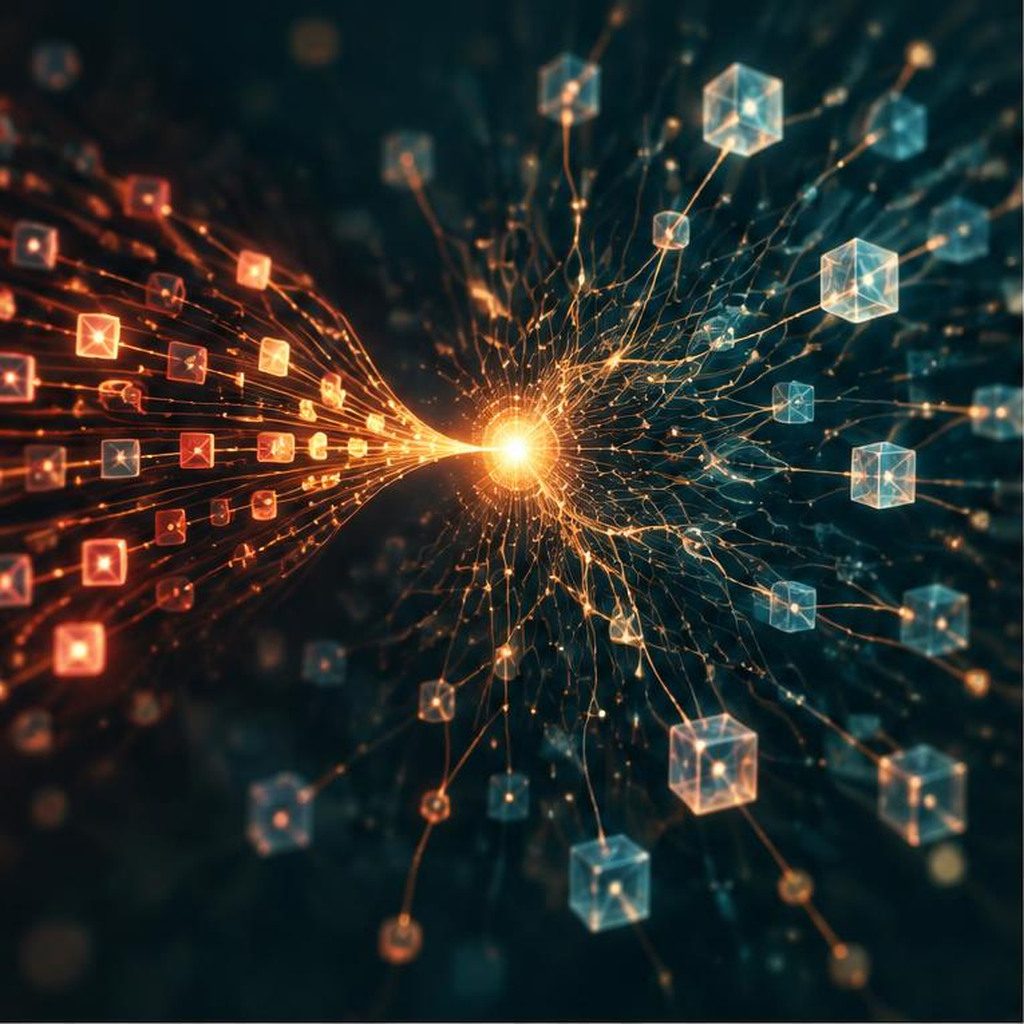
الانتباه هو أحد أهم الموارد المعرفية التي يمتلكها الدماغ. في سياق معالجة اللغة، يسمح لنا الانتباه بالتركيز على الكلمات والعبارات ذات الصلة، وتجاهل الضوضاء، وربط المعلومات عبر مسافات طويلة في النص أو الحديث. بدون آليات انتباه فعالة، ستغرق الأنظمة المعرفية في طوفان من المعلومات غير المترابطة.
في الدماغ البشري، يعتمد الانتباه اللغوي على شبكة من المناطق تشمل القشرة الجبهية الأمامية، والجدارية، ومناطق حزامية. هذه الشبكة تسمح بتوجيه الانتباه بشكل مرن حسب الأهداف والمهام. عندما نقرأ نصًا معقدًا، نوجه انتباهنا إلى الكلمات المفتاحية، ونتتبع المراجع الضميرية، ونبني تمثيلًا متماسكًا للمعنى الكلي.
من أبرز الابتكارات في الذكاء الاصطناعي في السنوات الأخيرة كانت آلية الانتباه الذاتي في بنية المحول. بدلًا من معالجة التسلسل كلمة بكلمة بشكل متسلسل صارم، تسمح هذه الآلية لكل كلمة بأن 'تنتبه' إلى كل الكلمات الأخرى في المدخل، وتحسب درجة أهمية كل منها بالنسبة لها. هذا يمكن النموذج من التقاط العلاقات بعيدة المدى بكفاءة عالية.
هناك تشابه مفاهيمي واضح: كلا النظامين يحتاجان إلى طريقة لتحديد ما هو مهم في اللحظة الحالية. لكن التنفيذ يختلف جذريًا. في الدماغ، الانتباه عملية ديناميكية تتأثر بالأهداف والعواطف والسياق والجسد. في النماذج الاصطناعية، الانتباه حساب رياضي يعتمد على تشابه المتجهات وأوزان متعلمة.
أحد الاختلافات المهمة هو القدرة على الانتباه المتعدد المستويات. الدماغ يستطيع الانتباه إلى المستوى الصوتي، والصرفي، والنحوي، والدلالي، والبراغماتي في وقت واحد تقريبًا. النماذج الحالية تحقق نجاحًا كبيرًا على المستويات السطحية والعميقة للنص، لكنها لا تزال محدودة في فهم المقاصد الحقيقية والسياقات الاجتماعية الدقيقة.
يمكن لعلم الأعصاب أن يستفيد من نجاح آليات الانتباه الاصطناعية. بعض الباحثين يستخدمون نماذج المحولات كأدوات لفهم كيف يمكن أن تعمل أنظمة الانتباه الموزعة. في المقابل، يمكن لمطوري الذكاء الاصطناعي أن يستوحوا من مرونة الانتباه البشري، خاصة قدرته على التكيف السريع مع مهام جديدة دون إعادة تدريب كامل.
في تطبيقات تعلم اللغة، يمكن استغلال فهم آليات الانتباه لتحسين تصميم المحتوى. على سبيل المثال، يمكن للأنظمة الذكية أن توجه انتباه المتعلم إلى العناصر اللغوية الأكثر أهمية في مرحلة معينة من التعلم، أو أن تبرز العلاقات بين الكلمات بطريقة بصرية تساعد على بناء الشبكات الدلالية.
الانتباه، سواء كان بيولوجيًا أو اصطناعيًا، هو مفتاح استخراج المعنى من التعقيد. كلما فهمنا آلياته بشكل أفضل، أصبحنا قادرين على بناء أنظمة تعليمية وتواصلية أكثر فعالية وإنسانية.
Attention in the Human Brain and Attention Mechanisms in Transformer Models
Attention is one of the most important cognitive resources the brain possesses. In the context of language processing, attention allows us to focus on relevant words and phrases, ignore noise, and link information across long distances in text or speech. Without effective attentional mechanisms, cognitive systems would be overwhelmed by a flood of unconnected information.
In the human brain, linguistic attention depends on a network of regions that includes prefrontal cortex, parietal cortex, and cingulate areas. This network permits flexible guidance of attention according to goals and tasks. When we read a complex text, we direct our attention to key words, track pronominal references, and build a coherent representation of overall meaning.
One of the most prominent innovations in artificial intelligence in recent years has been the self-attention mechanism in the Transformer architecture. Instead of processing a sequence strictly word by word, this mechanism allows every word to ‘attend’ to every other word in the input and to compute the importance of each relative to itself. This enables the model to capture long-range relations with high efficiency.
There is a clear conceptual similarity: both systems need a way to determine what is important at the present moment. Implementation, however, differs radically. In the brain, attention is a dynamic process influenced by goals, emotions, context, and the body. In artificial models, attention is a mathematical computation based on vector similarity and learned weights.
An important difference is the capacity for multi-level attention. The brain can attend to phonological, morphological, syntactic, semantic, and pragmatic levels roughly simultaneously. Current models achieve considerable success at surface and deeper levels of text, yet they remain limited in understanding true intentions and subtle social contexts.
Neuroscience can benefit from the success of artificial attention mechanisms. Some researchers use Transformer models as tools for understanding how distributed attentional systems might operate. Conversely, AI developers can draw inspiration from the flexibility of human attention, especially its capacity for rapid adaptation to new tasks without full retraining.
In language-learning applications, an understanding of attentional mechanisms can improve content design. Intelligent systems can, for example, direct a learner’s attention to the linguistic elements most important at a given stage of learning, or highlight relationships among words in a visual manner that helps build semantic networks.
Attention, whether biological or artificial, is the key to extracting meaning from complexity. The better we understand its mechanisms, the more capable we become of building educational and communicative systems that are more effective and more human.