واجهات الدماغ والحاسوب ومستقبل التواصل اللغوي
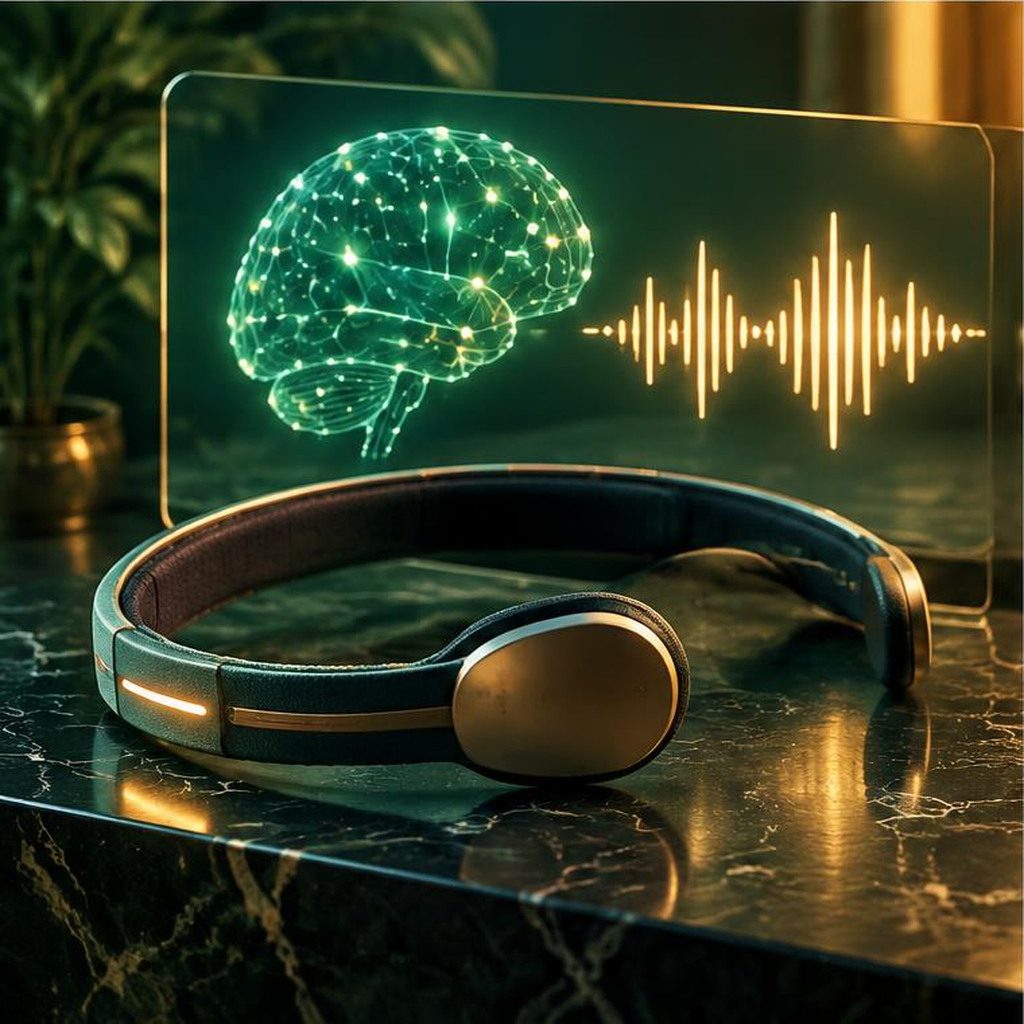
واجهات الدماغ والحاسوب تمثل أحد أكثر الحدود إثارة في علم الأعصاب والهندسة. هذه الأنظمة تهدف إلى إنشاء قناة اتصال مباشرة بين النشاط الدماغي والأجهزة الخارجية، متجاوزة الطرق التقليدية مثل الكلام أو الكتابة أو حتى حركة العضلات. بالنسبة للأشخاص الذين فقدوا القدرة على التواصل بسبب الشلل أو الأمراض التنكسية، تحمل هذه التقنية وعدًا باستعادة الصوت.
تعمل معظم الأنظمة الحالية من خلال تسجيل الإشارات الكهربائية من الدماغ، إما عبر أقطاب سطحية أو مزروعة، ثم فك تشفير هذه الإشارات إلى أوامر أو نصوص أو كلام اصطناعي. التقدم في خوارزميات الذكاء الاصطناعي كان حاسمًا في تحسين دقة فك التشفير وسرعته. نماذج التعلم العميق قادرة على استخراج أنماط معقدة من الإشارات العصبية وربطها بالكلمات أو الحروف المقصودة.
في السنوات الأخيرة، شهدنا عروضًا مذهلة لأنظمة تسمح لأشخاص مصابين بالشلل بالتواصل بمعدلات أعلى من أي وقت مضى. بعض الأنظمة تحول محاولات الكلام الداخلية أو المتخيلة إلى نص في الوقت الفعلي تقريبًا. ورغم أن المعدلات لا تزال أقل من الكلام الطبيعي، إلا أن الاتجاه تصاعدي بسرعة.
التحديات التقنية لا تزال كبيرة. الإشارات الدماغية ضعيفة ومليئة بالضجيج، وتختلف بين الأفراد ومع مرور الوقت. الأنظمة المزروعة توفر إشارات أوضح لكنها تحمل مخاطر جراحية وتتطلب استقرارًا طويل الأمد. الأنظمة غير الغازية أكثر أمانًا لكنها أقل دقة حاليًا. كما أن ترجمة النشاط العصبي إلى لغة طبيعية سلسة يتطلب فهمًا أعمق لكيفية ترميز الدماغ للكلام.
من الناحية العلمية، توفر هذه الواجهات نافذة فريدة على آليات إنتاج اللغة في الدماغ. من خلال مراقبة النشاط العصبي أثناء محاولة الكلام أو تخيله، يمكن للباحثين اختبار فرضيات حول تسلسل العمليات اللغوية والمناطق المشاركة فيها بدقة زمنية ومكانية عالية.
مستقبلًا، قد لا تقتصر التطبيقات على استعادة التواصل للمصابين. هناك تصورات لواجهات تعزز القدرات اللغوية لدى الأصحاء، مثل الترجمة الفورية المباشرة من الفكر، أو التعلم المعزز للغات من خلال تغذية راجعة عصبية. هذه الإمكانيات تثير أسئلة أخلاقية عميقة حول الخصوصية والهوية والعدالة في الوصول إلى التقنية.
الذكاء الاصطناعي سيكون شريكًا أساسيًا في كل مرحلة: من تحسين فك التشفير، إلى توليد الكلام الطبيعي من الإشارات، إلى تكييف النظام مع التغيرات الفردية مع الوقت. كلما تحسنت النماذج في فهم العلاقة بين النشاط العصبي والمعنى اللغوي، اقتربنا من واجهات أكثر سلاسة وطبيعية.
واجهات الدماغ والحاسوب تجسد التقاء علم الأعصاب والهندسة والذكاء الاصطناعي في خدمة التواصل البشري. الطريق لا يزال طويلًا، لكن كل خطوة إلى الأمام تعيد تعريف ما هو ممكن في استعادة وتعزيز القدرة على التعبير اللغوي.
Brain–Computer Interfaces and the Future of Linguistic Communication
Brain–computer interfaces represent one of the most exciting frontiers in neuroscience and engineering. These systems aim to create a direct communication channel between brain activity and external devices, bypassing traditional routes such as speech, writing, or even muscle movement. For people who have lost the ability to communicate because of paralysis or degenerative disease, this technology holds the promise of restoring voice.
Most current systems work by recording electrical signals from the brain, either via surface or implanted electrodes, then decoding those signals into commands, text, or synthetic speech. Advances in artificial-intelligence algorithms have been decisive in improving the accuracy and speed of decoding. Deep-learning models are capable of extracting complex patterns from neural signals and linking them to intended words or letters.
In recent years we have witnessed impressive demonstrations of systems that allow paralyzed individuals to communicate at higher rates than ever before. Some systems convert internal or imagined speech attempts into text in near real time. Although rates remain below natural speech, the trend is rapidly upward.
Technical challenges remain substantial. Brain signals are weak and noisy, and they differ across individuals and over time. Implanted systems provide clearer signals but carry surgical risks and require long-term stability. Non-invasive systems are safer but currently less accurate. Translating neural activity into smooth natural language also requires a deeper understanding of how the brain encodes speech.
Scientifically, these interfaces provide a unique window onto the mechanisms of language production in the brain. By monitoring neural activity during attempted or imagined speech, researchers can test hypotheses about the sequence of linguistic operations and the regions involved with high temporal and spatial precision.
In the future, applications may not be limited to restoring communication for the impaired. There are visions of interfaces that enhance linguistic abilities in healthy individuals, such as direct thought-to-speech translation or reinforced language learning through neural feedback. These possibilities raise profound ethical questions about privacy, identity, and equity of access to the technology.
Artificial intelligence will be an essential partner at every stage: improving decoding, generating natural speech from signals, and adapting the system to individual changes over time. The better models become at understanding the relationship between neural activity and linguistic meaning, the closer we come to smoother and more natural interfaces.
Brain–computer interfaces embody the convergence of neuroscience, engineering, and artificial intelligence in the service of human communication. The road remains long, yet every step forward redefines what is possible in restoring and enhancing the capacity for linguistic expression.