كيف يعالج الدماغ اللغة وكيف يحاكيه الذكاء الاصطناعي
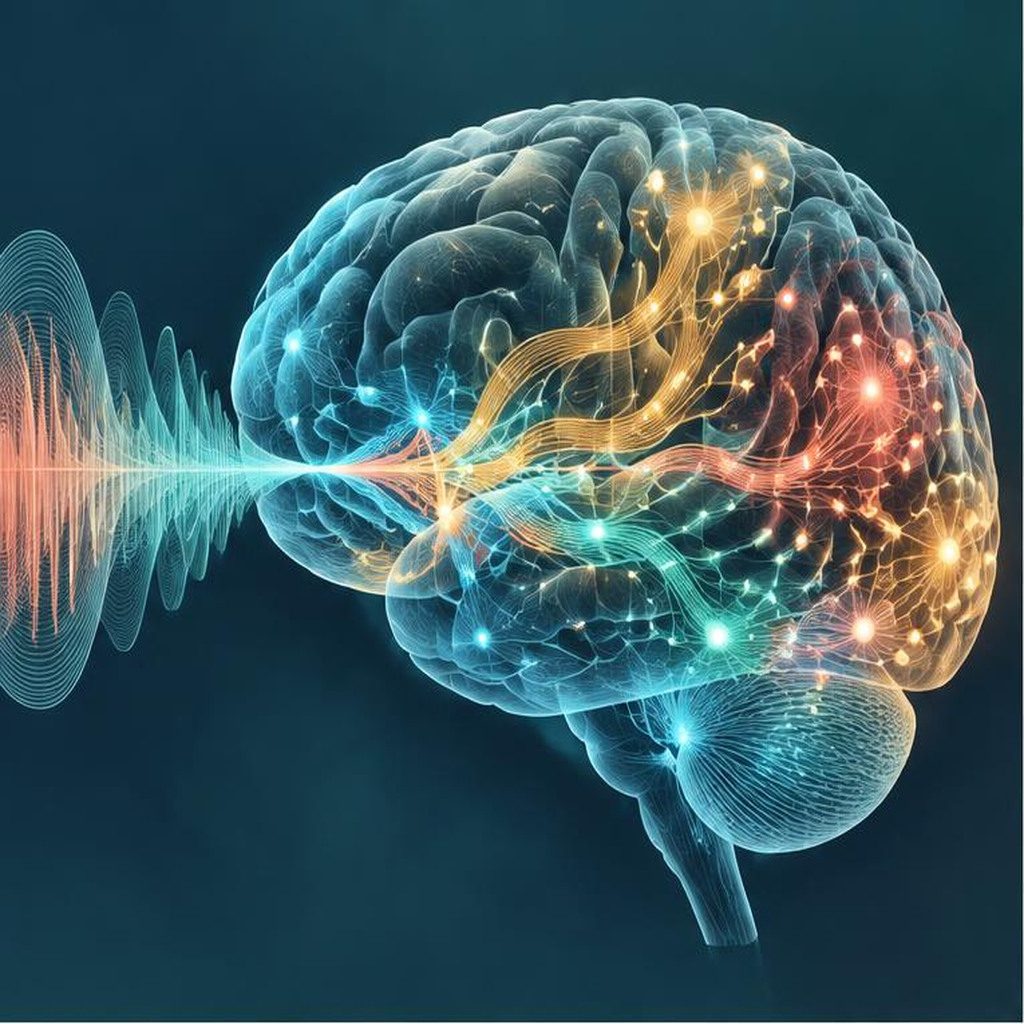
يعد فهم كيفية معالجة الدماغ البشري للغة أحد أعظم التحديات في علم الأعصاب المعرفي. اللغة ليست مهارة واحدة، بل مجموعة معقدة من العمليات المتداخلة تشمل الإدراك السمعي، وتحليل الأصوات، واسترجاع المعاني، وبناء التراكيب النحوية، وإنتاج الكلام. هذه العمليات موزعة عبر شبكة واسعة من المناطق الدماغية التي تعمل بتناغم مذهل في أجزاء من الثانية.
تقليديًا، ارتبطت منطقتا بروكا وفيرنيكه بمعالجة اللغة. منطقة بروكا في الفص الجبهي مرتبطة بإنتاج الكلام والقواعد، بينما منطقة فيرنيكه في الفص الصدغي مرتبطة بفهم اللغة. لكن الأبحاث الحديثة أظهرت أن الصورة أكثر تعقيدًا بكثير. هناك مسارات ظهرية وبطنية تربط هذه المناطق بمناطق أخرى، والمشاركة تمتد إلى القشرة الحركية والحسية وحتى المناطق المرتبطة بالعواطف والذاكرة.
عندما نسمع جملة، يبدأ الدماغ بتحليل الموجات الصوتية في القشرة السمعية الأولية، ثم يتم تحويلها إلى تمثيلات صوتية مجردة. بعد ذلك يتم مطابقة هذه التمثيلات مع المعجم الذهني لاسترجاع المعاني، بينما تعمل آليات نحوية موازية على بناء الهيكل التركيبي للجملة. كل هذا يحدث بتواز وتفاعل مستمر، وليس بشكل متسلسل صارم.
الذكاء الاصطناعي، وخاصة نماذج اللغة الكبيرة القائمة على المحولات، يحاول محاكاة بعض هذه العمليات بطرق مختلفة جذريًا. بدلًا من بناء نظام رمزي صريح للقواعد، تعتمد هذه النماذج على التعلم الإحصائي من كميات هائلة من النصوص. تتعلم الأنماط الاحتمالية لترتيب الكلمات والعلاقات الدلالية من خلال آليات الانتباه الذاتي التي تسمح لكل كلمة بأن ترتبط بكل الكلمات الأخرى في السياق.
هناك أوجه تشابه مثيرة للاهتمام. آلية الانتباه في نماذج المحولات تذكرنا بطريقة ما بقدرة الدماغ على التركيز على أجزاء معينة من المدخلات اللغوية مع الحفاظ على السياق العام. كذلك، فإن التمثيلات المتجهة عالية الأبعاد التي تستخدمها النماذج تشبه إلى حد ما التمثيلات الموزعة التي يعتقد أن الدماغ يستخدمها لترميز المعاني.
ومع ذلك، تبقى الاختلافات جوهرية. الدماغ يعمل بطاقة ضئيلة للغاية مقارنة بالحواسيب العملاقة التي تدرب النماذج اللغوية. كما أنه قادر على التعلم من كمية بيانات أقل بكثير، ويستفيد من التفاعل الجسدي والاجتماعي بطريقة لا تزال النماذج الحالية تفتقر إليها. الدماغ أيضًا يدمج المعلومات متعددة الحواس باستمرار، بينما معظم النماذج اللغوية تعمل على النص فقط.
من خلال مقارنة أنظمة المعالجة في الدماغ والذكاء الاصطناعي، يمكننا أن نتعلم من كلا الجانبين. يمكن لعلماء الأعصاب الاستفادة من نجاحات النماذج الحسابية لصياغة فرضيات جديدة حول كيفية عمل الدماغ. وفي المقابل، يمكن لمطوري الذكاء الاصطناعي استلهام مبادئ الكفاءة والمرونة والقدرة على التعلم من القليل من البيانات التي يتميز بها الدماغ البشري.
هذا الحوار المستمر بين علم الأعصاب والذكاء الاصطناعي هو ما يدفع كلا المجالين إلى الأمام. كلما فهمنا أكثر عن كيفية معالجة الدماغ للغة، أصبحنا أقرب إلى بناء أنظمة اصطناعية أكثر ذكاءً وطبيعية وقدرة على التفاعل اللغوي الحقيقي مع البشر.
How the Brain Processes Language and How AI Mimics It
Understanding how the human brain processes language remains one of the greatest challenges in cognitive neuroscience. Language is not a single skill but a complex set of interlocking operations that include auditory perception, sound analysis, meaning retrieval, syntactic construction, and speech production. These operations are distributed across a wide network of brain regions that work in remarkable harmony within fractions of a second.
Traditionally, Broca’s and Wernicke’s areas have been associated with language processing. Broca’s area in the frontal lobe is linked to speech production and grammar, while Wernicke’s area in the temporal lobe is linked to language comprehension. Recent research, however, has shown that the picture is far more complex. Dorsal and ventral pathways connect these regions with others, and participation extends to motor and sensory cortices and even to areas involved in emotion and memory.
When we hear a sentence, the brain begins by analyzing sound waves in primary auditory cortex; these are then transformed into abstract phonological representations. Next, the representations are matched against the mental lexicon to retrieve meanings, while parallel syntactic mechanisms build the structural framework of the sentence. All of this occurs in parallel and continuous interaction, not in a strictly serial fashion.
Artificial intelligence, especially large language models based on transformers, attempts to mimic some of these processes in fundamentally different ways. Rather than building an explicit symbolic rule system, these models rely on statistical learning from vast quantities of text. They learn probabilistic patterns of word order and semantic relations through self-attention mechanisms that allow every word to relate to every other word in the context.
There are intriguing similarities. The attention mechanism in transformer models is reminiscent, in some respects, of the brain’s ability to focus on particular parts of linguistic input while maintaining overall context. Likewise, the high-dimensional vector representations used by models resemble, to a degree, the distributed representations the brain is thought to use for encoding meanings.
The differences, however, remain fundamental. The brain operates on remarkably little energy compared with the supercomputers that train language models. It is also capable of learning from far smaller amounts of data and benefits from physical and social interaction in ways current models still lack. The brain continuously integrates multisensory information, whereas most language models operate on text alone.
By comparing processing systems in the brain and in AI, we can learn from both sides. Neuroscientists can draw on the successes of computational models to formulate new hypotheses about how the brain works. Conversely, AI developers can take inspiration from the principles of efficiency, flexibility, and few-shot learning that characterize the human brain.
This ongoing dialogue between neuroscience and artificial intelligence is what drives both fields forward. The more we understand about how the brain processes language, the closer we come to building artificial systems that are more intelligent, more natural, and more capable of genuine linguistic interaction with humans.