الذاكرة وأنظمة تخزين اللغة في الدماغ والذكاء الاصطناعي
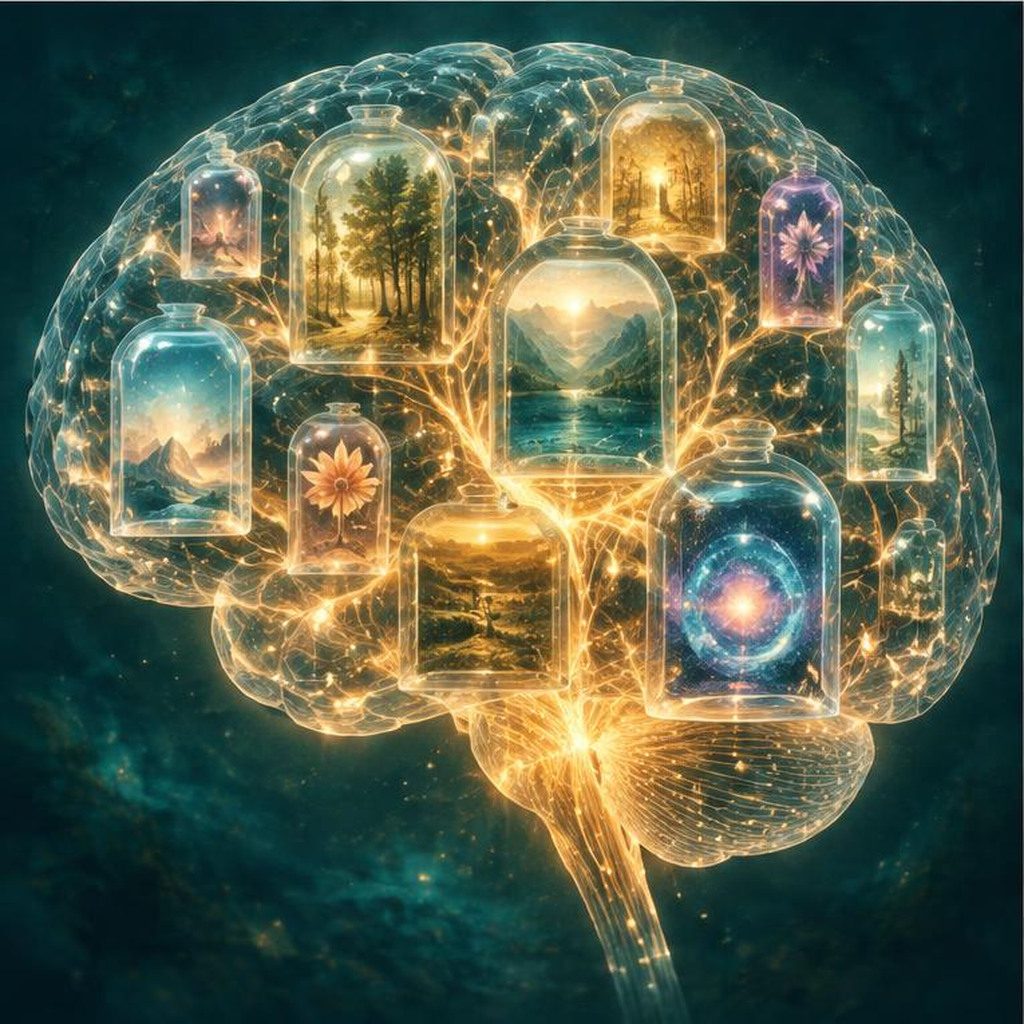
الذاكرة هي الأساس الذي يقوم عليه تعلم أي لغة. بدون القدرة على تخزين المفردات والتراكيب والأنماط واسترجاعها في الوقت المناسب، لا يمكن أن تحدث طلاقة لغوية. الدماغ البشري يستخدم أنظمة ذاكرة متعددة ومتفاعلة لدعم اللغة، وكل نظام يلعب دورًا مميزًا في مراحل مختلفة من التعلم والاستخدام.
الذاكرة العاملة تلعب دورًا حاسمًا في معالجة الجمل وفهمها وإنتاجها. هي التي تسمح لنا بالاحتفاظ ببداية الجملة بينما نستمع إلى نهايتها، أو بتخطيط ما سنقوله بينما نتحدث. سعة الذاكرة العاملة تختلف بين الأفراد، وتؤثر على سرعة اكتساب اللغة الثانية وصعوبة التعامل مع التراكيب المعقدة.
أما الذاكرة طويلة المدى فتنقسم إلى أنواع عدة ذات صلة باللغة. الذاكرة الدلالية تخزن المعاني العامة للكلمات والمفاهيم، بينما الذاكرة العرضية تربط الكلمات بتجارب محددة. الذاكرة الإجرائية تشارك في اكتساب المهارات اللغوية التلقائية مثل التصريف والقواعد التي تصبح غير واعية مع الممارسة. هذا التعدد يسمح بمرونة كبيرة في استخدام اللغة.
عملية التثبيت الليلية، كما ذكر سابقًا، ضرورية لنقل المعلومات من التخزين المؤقت إلى التخزين الدائم. التكرار المتباعد هو أحد أقوى الاستراتيجيات لتعزيز هذا الانتقال. بدلًا من مراجعة المعلومة مرات عديدة في جلسة واحدة، يكون توزيع المراجعات على فترات متزايدة أكثر فعالية بكثير.
في الذكاء الاصطناعي، تخزن 'المعرفة' اللغوية بشكل مختلف تمامًا. في النماذج القائمة على المحولات، تكون المعرفة موزعة عبر ملايين أو مليارات من الأوزان في الشبكة. لا توجد 'ذاكرة' منفصلة للكلمات، بل تمثيلات إحصائية تستخرج من بيانات التدريب. هذا يجعل النماذج قوية في التعميم، لكنها ضعيفة في التحديث السريع أو تصحيح معلومة خاطئة دون إعادة تدريب مكلفة.
هناك محاولات لتطوير أنظمة ذاكرة خارجية أو ذاكرة عصبية للنماذج الاصطناعية، تسمح بتخزين واسترجاع معلومات محددة بشكل أكثر مرونة. بعض الأنظمة تجمع بين نماذج اللغة وقواعد بيانات أو ذواكر متجهة قابلة للبحث، مما يقربها خطوة من القدرة البشرية على دمج المعرفة العامة مع التفاصيل المحددة.
بالنسبة لمتعلمي اللغات، يمكن للذكاء الاصطناعي أن يحسن أنظمة المراجعة بشكل كبير. من خلال تتبع ما يعرفه المتعلم وما ينساه، ومتى ينساه، يمكن بناء جداول مراجعة شخصية تحاكي منحنيات النسيان الفردية. هذا النوع من التخصيص كان مستحيلًا عمليًا قبل ظهور الأدوات الذكية.
فهم أنظمة الذاكرة في الدماغ يساعدنا أيضًا على تصميم أنشطة تعليمية أفضل. على سبيل المثال، ربط الكلمات الجديدة بصور أو قصص أو تجارب شخصية يستغل الذاكرة العرضية والدلالية معًا، مما يجعل الاسترجاع أقوى. كلما كانت المعلومات مرتبطة بسياق غني، زادت فرص بقائها.
Memory and Language Storage Systems in the Brain and in AI
Memory is the foundation upon which the learning of any language rests. Without the ability to store vocabulary, structures, and patterns and to retrieve them at the right moment, linguistic fluency cannot occur. The human brain employs multiple, interacting memory systems to support language, each playing a distinct role at different stages of learning and use.
Working memory plays a crucial role in processing, understanding, and producing sentences. It allows us to hold the beginning of a sentence while listening to its end, or to plan what we are going to say while speaking. Working-memory capacity varies among individuals and influences the speed of second-language acquisition and the difficulty of handling complex structures.
Long-term memory divides into several types relevant to language. Semantic memory stores the general meanings of words and concepts, while episodic memory links words to specific experiences. Procedural memory participates in the acquisition of automatic linguistic skills such as inflection and grammar that become unconscious with practice. This multiplicity allows great flexibility in language use.
Overnight consolidation, as mentioned earlier, is essential for transferring information from temporary to permanent storage. Spaced repetition is one of the most powerful strategies for reinforcing this transfer. Rather than reviewing an item many times in a single session, distributing reviews over increasing intervals is far more effective.
In artificial intelligence, linguistic ‘knowledge’ is stored in a completely different manner. In transformer-based models, knowledge is distributed across millions or billions of weights in the network. There is no separate ‘memory’ for words; instead, statistical representations are extracted from training data. This makes models powerful at generalization but weak at rapid updating or correcting a piece of erroneous information without costly retraining.
There are efforts to develop external or neural memory systems for artificial models that allow more flexible storage and retrieval of specific information. Some systems combine language models with searchable databases or vector memories, bringing them a step closer to the human ability to integrate general knowledge with specific details.
For language learners, AI can greatly improve review systems. By tracking what a learner knows and forgets, and when they forget it, personalized review schedules can be built that mimic individual forgetting curves. This degree of personalization was practically impossible before the advent of intelligent tools.
Understanding memory systems in the brain also helps us design better educational activities. Linking new words to images, stories, or personal experiences exploits both episodic and semantic memory, making retrieval stronger. The richer the context to which information is linked, the greater its chances of lasting.