التعلم متعدد الوسائط: ربط الرؤية واللغة في الدماغ والآلات
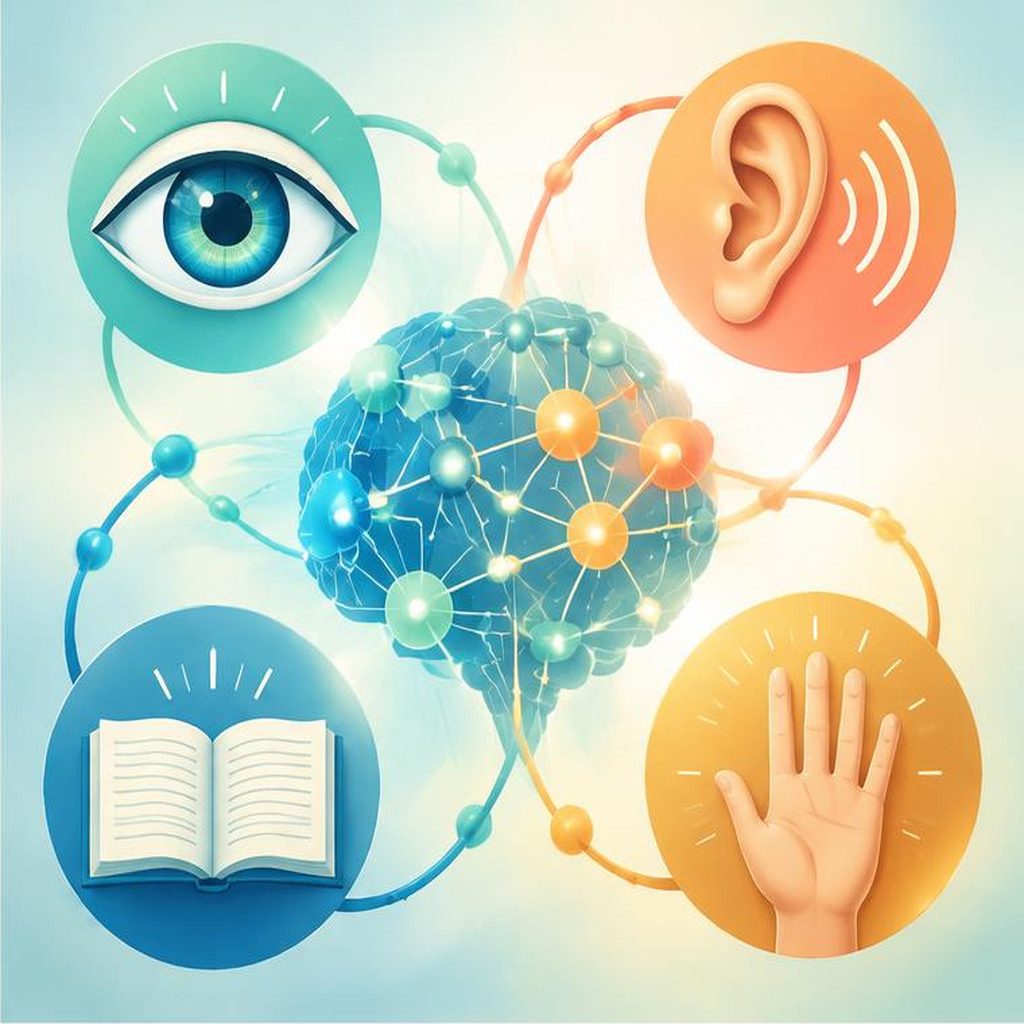
اللغة في العالم الحقيقي نادرًا ما تأتي معزولة. نحن نتحدث ونحن نرى وجوه المتحدثين وإيماءاتهم، ونقرأ ونحن ننظر إلى صور أو مشاهد، ونتعلم أسماء الأشياء ونحن نلمسها أو نتعامل معها. الدماغ البشري بطبيعته متعدد الوسائط، يدمج المعلومات من الحواس المختلفة لبناء فهم أغنى وأكثر ثباتًا.
المناطق الدماغية المعنية باللغة ليست معزولة عن المناطق البصرية والحركية. هناك تداخل وتفاعل مستمر. عندما نسمع كلمة 'تفاحة'، تنشط جزئيًا مناطق مرتبطة بمعالجة الشكل واللون وحتى التذوق. هذا التجسيد الحسي للمفاهيم اللغوية يجعل المعاني أكثر رسوخًا ويسهل الاسترجاع.
في علم الذكاء الاصطناعي، شهدنا في السنوات الأخيرة طفرة في النماذج متعددة الوسائط التي تربط بين الرؤية واللغة. نماذج مثل تلك التي تولد صورًا من وصف نصي، أو تصف محتوى صورة بكلمات، أو تجيب على أسئلة حول مشاهد بصرية، تعتمد على تمثيلات مشتركة تسمح بالمرور بين الفضاء البصري والفضاء اللغوي.
هذه النماذج تحقق نتائج مذهلة، لكنها لا تزال تختلف عن التكامل البشري. الدماغ يدمج المعلومات بشكل مرن وسريع، ويتعلم من تجارب قليلة نسبيًا، ويستفيد من التفاعل الجسدي الحقيقي مع العالم. النماذج الاصطناعية تعتمد على كميات هائلة من الأزواج صورة-نص، وقد تفشل في مواقف تتطلب فهمًا عميقًا للسببية أو الفيزياء البديهية.
في تعليم اللغات، يوفر النهج متعدد الوسائط مزايا واضحة. ربط الكلمة الجديدة بصورة أو فيديو أو حتى تجربة تفاعلية يعزز التذكر بشكل كبير مقارنة بالتعلم من النص وحده. التطبيقات الذكية يمكنها استغلال هذا المبدأ بتقديم مفردات في سياقات بصرية غنية، أو بإنشاء مشاهد افتراضية يتحرك فيها المتعلم ويتحدث.
كما يمكن استخدام النماذج متعددة الوسائط لإنشاء مواد تعليمية مخصصة. على سبيل المثال، يمكن لنظام أن يولد قصصًا مصورة تناسب مستوى المتعلم واهتماماته، أو أن يحول وصف المتعلم لمشهد إلى تصحيح لغوي مع صورة مرافقة. هذا النوع من التفاعل يجعل التعلم أكثر جاذبية وفعالية.
من الناحية البحثية، تساعد مقارنة التكامل متعدد الوسائط في الدماغ والآلات على كشف ما هو أساسي في الفهم البشري. لماذا يستطيع الطفل ربط كلمة بجسم بعد تعرض محدود، بينما تحتاج الآلة إلى آلاف الأمثلة؟ الإجابات على مثل هذه الأسئلة تدفع كلا المجالين إلى الأمام.
التعلم متعدد الوسائط يذكرنا بأن اللغة ليست نظامًا مجردًا من الرموز، بل هي جزء من نظام إدراكي أوسع يتفاعل مع العالم عبر كل الحواس. كلما صممنا أدوات تعليمية وتحاورية تحترم هذا التكامل، اقتربنا من تجارب تعلم أكثر طبيعية وإنسانية.
Multimodal Learning: Linking Vision and Language in the Brain and in Machines
Language in the real world rarely arrives in isolation. We speak while seeing the faces and gestures of interlocutors; we read while looking at images or scenes; we learn the names of objects while touching or interacting with them. The human brain is multimodal by nature, integrating information from different senses to build richer and more stable understanding.
The brain regions involved in language are not isolated from visual and motor areas. There is continuous overlap and interaction. When we hear the word ‘apple,’ regions associated with processing shape, color, and even taste are partially activated. This sensory embodiment of linguistic concepts makes meanings more firmly rooted and facilitates retrieval.
In artificial intelligence, recent years have witnessed a surge in multimodal models that link vision and language. Models that generate images from textual descriptions, describe the content of an image in words, or answer questions about visual scenes rely on shared representations that allow passage between visual and linguistic space.
These models achieve impressive results, yet they still differ from human integration. The brain integrates information flexibly and rapidly, learns from relatively few experiences, and benefits from genuine physical interaction with the world. Artificial models depend on enormous quantities of image–text pairs and may fail in situations requiring deep understanding of causality or intuitive physics.
In language education, the multimodal approach offers clear advantages. Linking a new word to an image, video, or even an interactive experience greatly enhances memory compared with learning from text alone. Intelligent applications can exploit this principle by presenting vocabulary in rich visual contexts or by creating virtual scenes in which the learner moves and speaks.
Multimodal models can also be used to create personalized educational materials. A system might, for example, generate illustrated stories suited to the learner’s level and interests, or turn the learner’s description of a scene into linguistic correction accompanied by an image. This kind of interaction makes learning more engaging and effective.
From a research standpoint, comparing multimodal integration in the brain and in machines helps reveal what is essential in human understanding. Why can a child link a word to an object after limited exposure, while a machine needs thousands of examples? Answers to such questions drive both fields forward.
Multimodal learning reminds us that language is not an abstract system of symbols but part of a broader perceptual system that interacts with the world through all the senses. The more we design educational and conversational tools that respect this integration, the closer we come to learning experiences that are more natural and more human.