المرونة العصبية واكتساب اللغات الجديدة
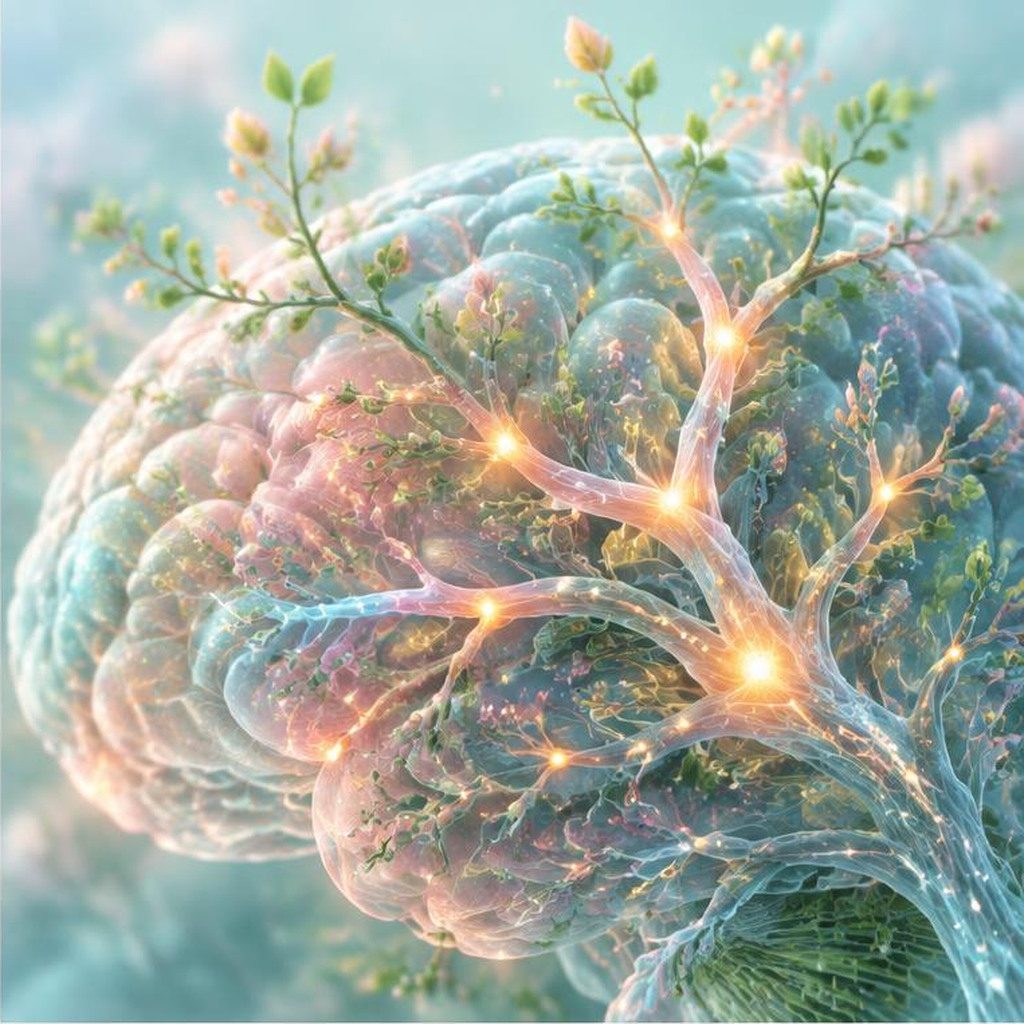
المرونة العصبية هي قدرة الدماغ على إعادة تنظيم نفسه وتشكيل روابط عصبية جديدة استجابة للتجارب والتعلم. هذه الخاصية الأساسية هي ما يجعل اكتساب لغة جديدة ممكنًا في أي مرحلة من العمر، رغم الاعتقاد الشائع بأن تعلم اللغات يصبح أصعب بعد الطفولة. في الواقع، يظل الدماغ قادرًا على التكيف طوال الحياة، وإن كانت الآليات والسرعة تختلف باختلاف المرحلة العمرية.
عندما يبدأ شخص في تعلم لغة ثانية، تحدث تغييرات ملموسة في بنية الدماغ ووظيفته. تزداد كثافة المادة الرمادية في المناطق المرتبطة بمعالجة اللغة، وتتغير أنماط الاتصال بين المناطق المختلفة. أظهرت تقنيات التصوير الدماغي مثل الرنين المغناطيسي الوظيفي أن المتعلمين الجدد يظهرون نشاطًا متزايدًا في القشرة الأمامية والصدغية أثناء معالجة اللغة الجديدة، ثم يتراجع هذا النشاط تدريجيًا مع زيادة الكفاءة، مما يشير إلى أن الدماغ أصبح أكثر كفاءة في التعامل مع المهمة.
تلعب الممارسة المتكررة والمنتظمة دورًا حاسمًا في تعزيز هذه التغيرات. كل مرة يستخدم فيها المتعلم كلمة أو تركيبًا نحويًا جديدًا، يتم تنشيط المسارات العصبية المرتبطة به، مما يقويها عبر آلية التقوية طويلة الأمد. هذا هو السبب في أن التعرض المتكرر في سياقات متنوعة يكون أكثر فعالية من الحفظ الآلي. الدماغ لا يخزن الكلمات كقوائم منفصلة، بل يبني شبكات دلالية وارتباطية تربط المفردات بالمعاني والتجارب.
من المثير للاهتمام أن تعلم لغة جديدة لا يؤثر فقط على المناطق اللغوية التقليدية. هناك أدلة على أن ثنائية اللغة تعزز الوظائف التنفيذية مثل التحكم في الانتباه وتبديل المهام والذاكرة العاملة. يعتقد أن الحاجة المستمرة إلى اختيار اللغة المناسبة وتثبيط اللغة غير المستخدمة تدرب هذه الشبكات العصبية، مما ينعكس إيجابًا على القدرات المعرفية العامة.
العمر يلعب دورًا، لكنه ليس حاسمًا كما يظن. الأطفال يتميزون بقدرة أعلى على اكتساب النطق الأصلي بفضل مرونة الجهاز السمعي والحركي في السنوات الأولى. أما البالغون فيتمتعون بمزايا أخرى، مثل القدرة على استخدام استراتيجيات ما وراء معرفية، والاستفادة من معرفتهم باللغة الأولى، والقدرة على التركيز المتعمد على القواعد والأنماط. لذلك فإن البالغين غالبًا ما يتقدمون أسرع في القواعد والمفردات، بينما يحتاجون جهدًا أكبر لتحقيق نطق طبيعي.
الذكاء الاصطناعي يقدم أدوات جديدة لتعزيز المرونة العصبية في سياق تعلم اللغات. من خلال تقديم تحديات متدرجة بدقة، وتغذية راجعة فورية، وتكرار متباعد محسوب علميًا، يمكن للأنظمة الذكية أن تحفز الدماغ بطريقة مثلى. على سبيل المثال، خوارزميات التكرار المتباعد تحدد الوقت الأمثل لمراجعة معلومة قبل أن تنسى، مما يعزز انتقالها من الذاكرة قصيرة المدى إلى طويلة المدى.
النوم أيضًا عنصر أساسي في هذه العملية. أثناء النوم العميق، يعيد الدماغ تشغيل الأنماط العصبية المرتبطة بما تعلمه خلال اليوم، مما يثبت الذكريات. لذلك فإن المتعلمين الذين يحصلون على قسط كاف من النوم بعد جلسات التعلم يظهرون احتفاظًا أفضل بالمادة اللغوية. يمكن للتطبيقات الذكية أن تأخذ هذا العامل في الاعتبار عند جدولة المراجعات.
في النهاية، تذكرنا المرونة العصبية بأن الدماغ ليس جهازًا ثابتًا، بل نظامًا ديناميكيًا يتغير باستمرار. كل لغة جديدة نتعلمها هي بمثابة إعادة تشكيل جزئية لهذا النظام، مما يفتح أبوابًا ليس فقط للتواصل، بل أيضًا لطرق جديدة في التفكير والإدراك.
Neural Plasticity and the Acquisition of New Languages
Neural plasticity is the brain’s ability to reorganize itself and form new neural connections in response to experience and learning. This fundamental property is what makes acquiring a new language possible at any stage of life, despite the common belief that language learning becomes harder after childhood. In reality, the brain remains capable of adaptation throughout life, even if the mechanisms and speed differ across age stages.
When a person begins learning a second language, tangible changes occur in the brain’s structure and function. The density of gray matter increases in areas associated with language processing, and patterns of connectivity between different regions change. Functional magnetic resonance imaging has shown that new learners display increased activity in frontal and temporal cortices while processing the new language; this activity gradually decreases as proficiency grows, indicating that the brain has become more efficient at the task.
Regular, repeated practice plays a decisive role in reinforcing these changes. Every time a learner uses a new word or grammatical structure, the associated neural pathways are activated and strengthened through long-term potentiation. This is why repeated exposure in varied contexts is far more effective than rote memorization. The brain does not store words as isolated lists; it builds semantic and associative networks that link vocabulary to meanings and experiences.
Interestingly, learning a new language does not affect only the traditional language areas. There is evidence that bilingualism enhances executive functions such as attentional control, task switching, and working memory. The constant need to select the appropriate language and inhibit the unused one is thought to train these neural networks, with positive effects on general cognitive abilities.
Age plays a role, but it is not as decisive as often assumed. Children have a greater capacity for native-like pronunciation thanks to the plasticity of the auditory and motor systems in the early years. Adults, however, enjoy other advantages: the ability to use metacognitive strategies, to draw on knowledge of their first language, and to focus deliberately on rules and patterns. Consequently, adults often progress faster in grammar and vocabulary, while needing greater effort to achieve natural pronunciation.
Artificial intelligence offers new tools for enhancing neural plasticity in the context of language learning. By delivering precisely graded challenges, immediate feedback, and scientifically calculated spaced repetition, intelligent systems can stimulate the brain optimally. Spaced-repetition algorithms, for example, determine the ideal moment to review an item before it is forgotten, thereby strengthening its transfer from short-term to long-term memory.
Sleep is also a critical element in this process. During deep sleep, the brain replays the neural patterns associated with what was learned during the day, consolidating memories. Learners who obtain sufficient sleep after study sessions show better retention of linguistic material. Intelligent applications can take this factor into account when scheduling reviews.
Ultimately, neural plasticity reminds us that the brain is not a fixed device but a dynamic system that changes continuously. Every new language we learn is a partial reshaping of that system, opening doors not only to communication but also to new ways of thinking and perceiving.